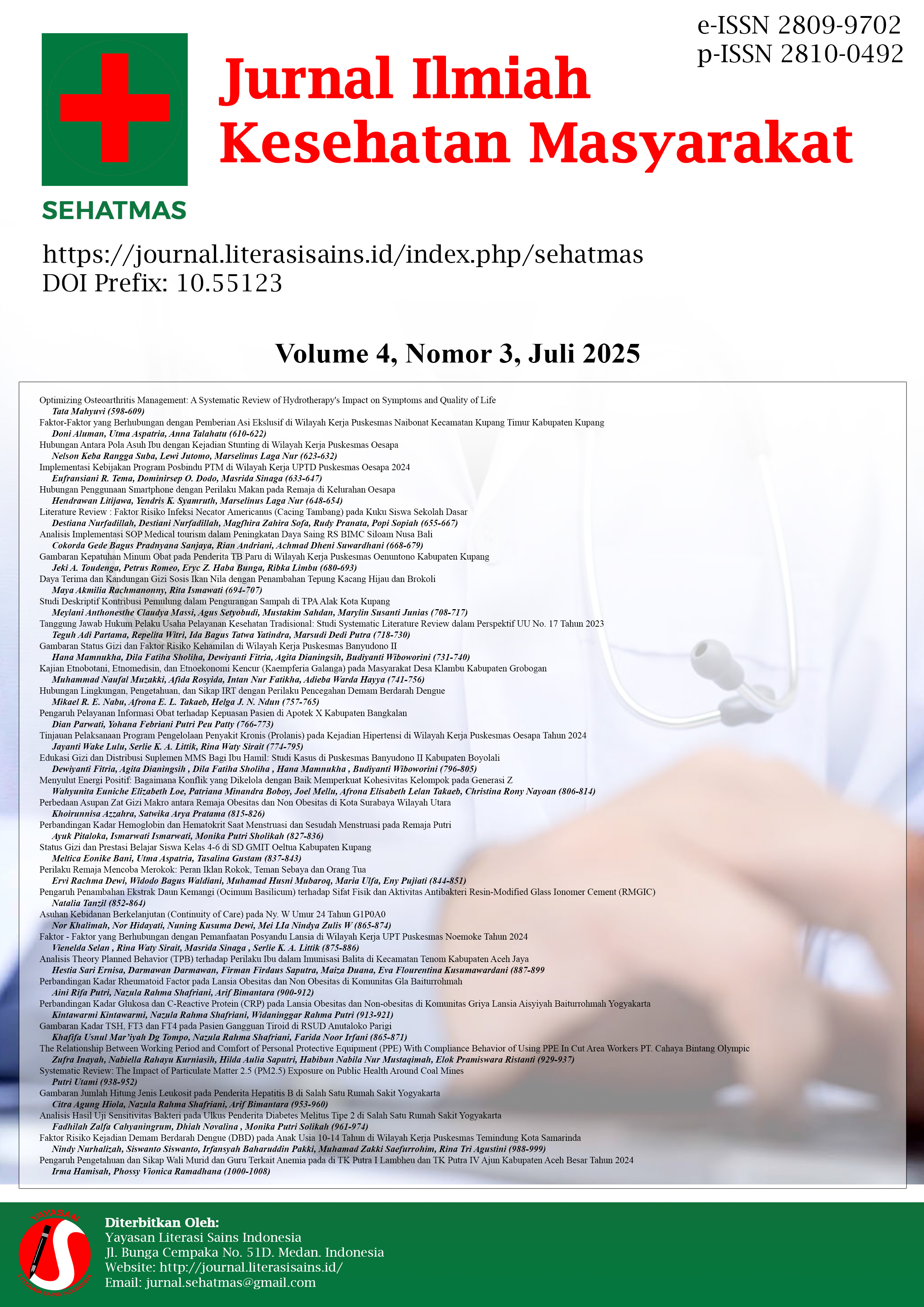
Menyulut Energi Positif: Bagaimana Konflik yang Dikelola dengan Baik Memperkuat Kohesivitas Kelompok pada Generasi Z
DOI:
https://doi.org/10.55123/sehatmas.v4i3.5671Keywords:
Conflict Management, Group Cohesion, Generation ZAbstract
Conflict is an unavoidable aspect of group dynamics, including among Generation Z, who are known for their familiarity with digital technology and their inclination towards communication and dialogue. Conflict has the potential to either strengthen or fracture a group. This article explores how effective conflict management can enhance group cohesion within Gen Z. We identify common causes of conflict, such as differences in opinion, misunderstandings, and heightened sensitivity. Various conflict management strategies are analyzed in depth. These include identification, assessment, and problem-solving (Fisher et al.), or avoidance, escalation, and maintenance strategies (Frost and Wilmot). Other approaches like deciding conflict (through domination, compromise, or integral problem-solving), stimulating conflict, reducing conflict, avoiding conflict, and accommodation are also presented as flexible frameworks. Given Gen Z's comfort with multi-personal interactions and discussions, strategies promoting consensus-building, constructive confrontation, and the achievement of shared goals will be highly effective. With proper management, conflict can be transformed into positive energy, fostering sustainable shared experiences, nurturing group bonds and pride, and ultimately significantly strengthening the unity and identity of Generation Z.
Downloads
References
Agus, W. (2022). Pengembangan Model Manajemen Konflik Berbasis Profetik Di Sma Swasta Di Kota Metro Provinsi Lampung. [Disertasi, UIN Raden Intan Lampung]. http://repository.radenintan.ac.id/20917/1/DISERTASI AGUS WIBOWO Cover s.d. Bab II %2B Dapus.pdf
Forsyth, D. R. (2021). Recent Advances In The Study Of Group Cohesion. Group Dynamics: Theory, Research, And Practice, 25(3), 213–228. https://doi.org/10.1037/Gdn0000163
Houldin, A., Mcewen, S. E., Howell, M. W., & Polatajko, H. J. (2018). The Cognitive Orientation to Daily Occupational Performance Approach and Transfer: A Scoping Review. OTJR: Occupational Therapy Journal of Research, 38(3), 157–172. https://doi.org/10.1177/1539449217736059
Mulyasa, H. (2017). Menjadi Guru Profesional Menciptakan Pembelajaran Kreatif dan Menyenangkan (15th ed.). PT. Remaja Rosdakarya.
Parid, M. (2020). Relevansi Komunikasi Pembelajaran dengan Materi Bahan Ajar SD/MI. Jurnal Ilmiah Wahana Pendidikan, 6(3), 442–452. https://jurnal.peneliti.net/index.php/JIWP/article/view/349
Pratiwi, A. D., Harahap, I., & Madhani, V. (2022). Konflik Dalam Masyarakat Global. Education: Jurnal Sosial Humaniora Dan Pendidikan, 2(2), 80–88. https://doi.org/10.51903/education.v2i2.141
Pujiandrie, K., Fauzia, N., & Wijanarko, A. (2024). Pengaruh Kohesivitas Kelompok Kerja Terhadap Perilaku Inovatif Pada Generasi Z. Jurnal Ilmiah MEA (Manajemen, Ekonomi, Dan Akuntansi), 8(2), 2213–2225. https://doi.org/10.31955/mea.v8i2.4303
Rahman, A. (2016). Bentuk-bentuk komunikasi dalam pembelajaran. Paedagogia: Jurnal Pendidikan, 5(2), 198-217.
Sabani, A., Aulia, N., P, N. M., & M, S. N. (2024). Pentingnya Implementasi Sistem Meritokrasi Dalam Instansi Pemerintahan Indonesia. Aktivisme: Jurnal Ilmu Pendidikan, Politik Dan Sosial Indonesia, 1(3), 144–152. https://doi.org/10.62383/aktivisme.v1i3.333
Salim, N. A., Haruna, J., & Saraka, S. (2017). ANALISIS PENGARUH MANAJEMEN KONFLIK TERHADAP EFEKTIVITAS PENGELOLAAN SD DI KAB. KUTAI KARTANEGARA. Pendas Mahakam : Jurnal Pendidikan Dan Pembelajaran Sekolah Dasar, 2(3), 250–260. Retrieved from https://jurnal.fkip-uwgm.ac.id/index.php/pendasmahakam/article/view/169
Sampe, F., Elvira, Aziz, A. A., Koni, A., Suyarti, S., Abdullah, Takdir, S., Setiawan, R., Fathurrahman, Rosadi, I., Rehutomo, J., Handari, R. S., Wahyuningsih, Astuty, I., Zain, H., Abdillah, & Ridwan, M. S. (2022). Manajemen Konflik Strategi Pengelolaan Konflik dalam Organisasi. Eureka Media Aksara.
Sawitri, D. R. (2021). Perkembangan Karier Generasi Z: Tantangan dan Strategi dalam Mewujudkan SDM Indonesia yang Unggul. Dalam Penerbit Fakultas Psikologi UNDIP (pp. 147–200). Penerbit Fakultas Psikologi UNDIP. https://doc-pak.undip.ac.id/id/eprint/14336/1/C1.a. Artikel Perkembangan Karier Generasi Z.pdf
Tasbi, S. O., Manggas, D. N., Dhadho, W. V. D., Takaeb, E. L., & Marni, M. (2025). Tantangan Penggunaan Media Massa Dalam Kesehatan Masyarakat Di Era Digital. Triwikrama: Jurnal Multidisiplin Ilmu Sosial, 8(1), 11–20. https://ejournal.cahayailmubangsa.institute/index.php/triwikrama/article/download/22/18
Zahro, S. F., Nisak, K., Tammamy, R., Sholiha, R. P., & Mu’allimin, M. (2023). Strategi Dan Pendekatan Mengelola Konflik Di Lembaga Pendidikan Islam. MUQADDIMAH: Jurnal Ekonomi, Manajemen, Akuntansi Dan Bisnis, 2(1), 104–117. https://doi.org/10.59246/muqaddimah.v2i1.584
Downloads
Published
How to Cite
Issue
Section
License
Copyright (c) 2025 Wahyunita Euniche Elizabeth Loe, Patriana Minandra Boboy, Joel Mellu, Afrona Elisabeth Lelan Takaeb, Christina Rony Nayoan

This work is licensed under a Creative Commons Attribution 4.0 International License.
Hak cipta pada setiap artikel adalah milik penulis.
Penulis mengakui bahwa SEHATMAS (Jurnal Ilmiah Kesehatan Masyarakat) sebagai publisher yang mempublikasikan pertama kali dengan lisensi Creative Commons Attribution 4.0 International License.
Penulis dapat memasukan tulisan secara terpisah, mengatur distribusi non-ekskulif dari naskah yang telah terbit di jurnal ini kedalam versi yang lain, seperti: dikirim ke respository institusi penulis, publikasi kedalam buku, dan lain-lain. Dengan mengakui bahwa naskah telah terbit pertama kali pada SEHATMAS (Jurnal Ilmiah Kesehatan Masyarakat).